
Walk into almost any busy auto workshop, and you will find a corner nobody likes to talk about. Old brake rotors sit beside a cracked radiator, and a few dead alternators wait in a milk crate near the back wall. Setting up a regular scrap metal pickup in Melbourne can turn that corner back into usable space. It only works well when the arrangement suits the way your workshop actually runs.
Mechanics handle metal every day, and most of it leaves the car in pieces nobody wants to keep. A planned scrap metal pickup in Melbourne lets your workshop move that metal out on a schedule, instead of waiting until the pile blocks a hoist. The trick is knowing what builds up, how to store it, and when collection makes more sense than a drop-off.
What Scrap Metal Builds Up in an Auto Workshop
A workshop’s scrap changes with the jobs coming through the door. A week full of brake work leaves you with rotors and drums. A run of cooling system repairs fills a crate with radiators. You may not notice how fast it adds up until a customer’s car has to wait outside because a bay is half full.
Here is what tends to pile up in most mechanical and auto electrical workshops:
- Brake rotors, drums and other steel car parts.
- Exhaust pipes and mufflers.
- Radiators and heater cores.
- Starter motors, alternators and other electric motors.
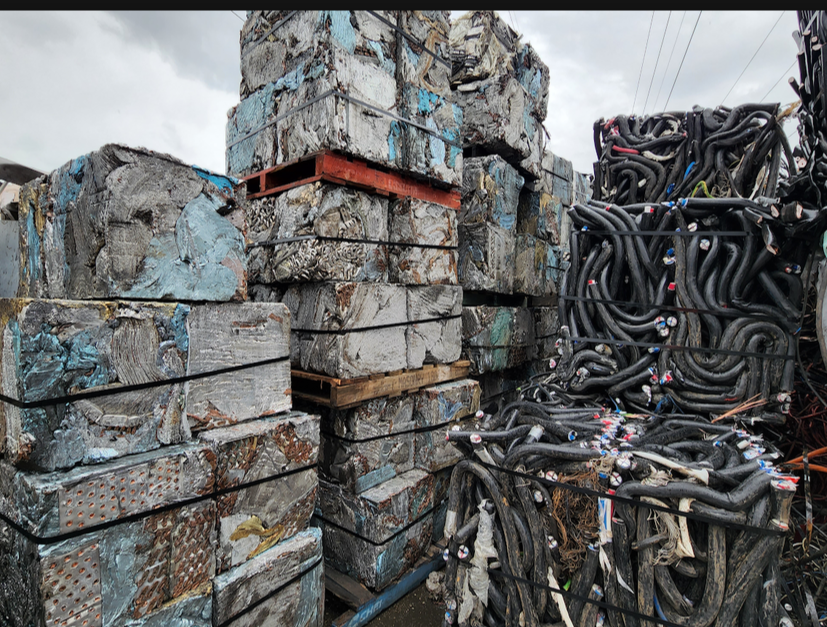
- Wiring looms and insulated copper cable.
- Alloy wheels and other aluminium components.
Some of this is ferrous, some is non-ferrous, and a good share is mixed. An electric motor can hold steel, copper and sometimes aluminium in one unit. SRS Metals accepts mixed loads, so you do not need to pull items apart before collection. Taking parts apart isn’t always safe, and it eats into time your team could spend on paid work.
Why Workshop Scrap Becomes a Problem Faster Than You Expect
Here is why. Workshop floor space is money. Every square metre taken up by scrap could hold a car, a tool trolley or a parts delivery. Loose scrap near hoists and pits also creates trip hazards, and most owners only think about that risk after someone gets hurt.
Copper and aluminium attract attention too. Metal stored near a back fence or an open roller door can become a target for theft. The longer scrap sits around, the longer it stays exposed. Is the pile in your workshop growing faster than your plan for clearing it?
How Scrap Metal Pick Up in Melbourne Works for Workshops
SRS Metals sets up collections for commercial and industrial customers. That includes mechanics, auto electricians and panel shops that produce steady volumes. Scrap metal bins or bulk bags are placed on site, and your team fills them as jobs come through. Once a bin is ready, a pickup is arranged.
Some workshops like a regular weekly or monthly collection. Others prefer to book when the bin fills. The right set-up depends on how much metal you produce, how much room you have near the door, and whether a truck can reach the bin. A narrow laneway workshop in an older suburb has different limits from a large service centre with a wide entrance.
Treating scrap as part of your workflow planning, and not as an afterthought, makes collections easier to schedule. Pick one spot for the bin and keep it there. Staff learn where things go, and the habit sticks without anyone having to remind them.
Keeping Workshop Scrap Clean and Ready for Collection
Fluids are the big one. Oil, coolant and brake fluid do not belong in a scrap bin. Parts that still hold fluids count as metal contamination, and SRS Metals does not accept hazardous materials or contaminated scrap. Hazardous waste needs to go through an authorised provider.
Beyond that, keep things simple. Place the bin where staff can reach it without walking through a work zone. Keep rags, plastic packaging and general rubbish out of it. If you are unsure whether an item is suitable, ask before it goes in. A short email now is easier than sorting out a problem on collection day.
Pick Up or Drop Off for Smaller Melbourne Workshops
Not every workshop produces enough metal to justify a truck visit. A one-bay mechanic working mostly on servicing might only fill a few crates in a month. Collection is not cost-effective for small loads like that. Bringing the metal to the Thomastown site is usually the more practical choice. Some owners hire a truck for a bigger clear-out.
See also: Company Set Up in Hong Kong: A Clear Path Through the Process
Making Room for the Work That Pays
Next steps. A tidy scrap corner will not fix every problem in a busy workshop, but it removes one that grows quietly in the background. Look at what your bays produce in a normal month and decide whether collection or drop-off fits. Then set a routine your team can follow without thinking. SRS Metals works with commercial workshops across Melbourne and Tasmania on scrap metal bins, bulk bags and collection arrangements. For enquiries or quotations, contact enquiries@srsmetals.com.au.