
Pneumatic lines in food plants, drug facilities and chemical units rarely fail at the tube. They fail at the connection, where moisture, cleaning agents and vibration attack the fitting daily. Choosing a pneumatic fitting manufacturer in India that builds stainless steel push-in, push-on and pipe fittings gives you connections that hold their seal far longer.
The right material is only half of the decision. Thread accuracy, seal design and testing discipline decide whether a fitting lasts months or years in service. Working with an experienced pneumatic fitting manufacturer in India lets you source fittings that are machined to tight tolerances, cleaned before assembly and tested before dispatch, so your air system stays leak-free.
Stainless Steel Resists the Conditions That Break Pneumatic Connections
Hidden Cost of the Wrong Material: Stainless steel is the preferred material for pneumatic fittings in harsh plants because it resists rust, chemical attack and repeated washdowns without flaking or swelling. Brass and plastic fittings often look fine at installation. In wet or corrosive zones, they pit, crack or lose grip, and small leaks start long before anyone notices.
What Plant Teams See When Replacement Waits: Maintenance technicians routinely find corroded brass fittings in washdown areas hissing behind guards. Each leak forces the compressor to run longer and raises energy bills. Stainless steel avoids this because its chromium oxide layer reforms after scratches. Delaying the switch lets damage spread to valves and cylinders, and repair options narrow to costly unplanned shutdowns.
Stainless Steel Push-in, Push-on and Precision Pipe Fitting Options
Push-in and Push-on Fittings for Fast Tube Changes: A push-in fitting holds the tube with a gripping collet and seals it with an internal O-ring, so you connect a line by pushing it home and release it by pressing the collar. Push-on fittings use a barbed stem that grips flexible hose. Both suit machine builders who need quick assembly and easy maintenance access.
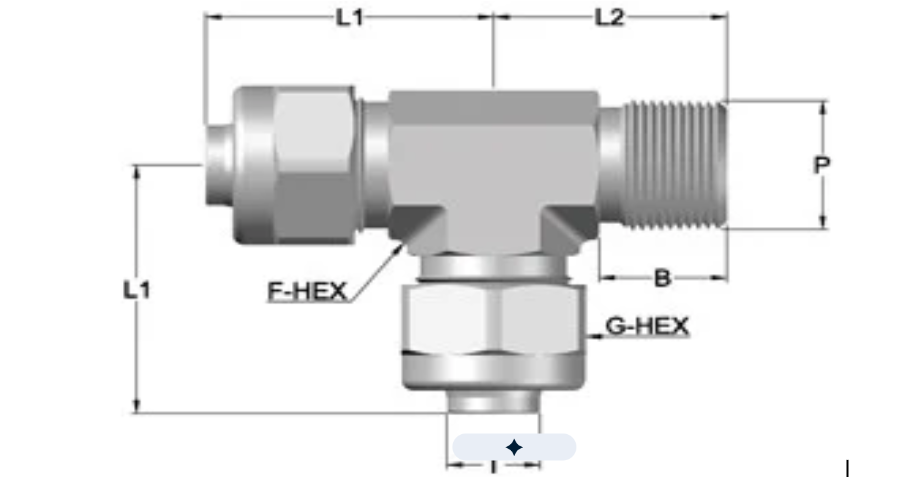
Precision Pipe Fittings for Fixed Runs: Stainless steel precision pipe fittings join rigid pipework through threaded or machined connections and suit permanent air headers. They come in metric and inch sizes matched to the inside and outside diameters of the pipe or tube. A pneumatic fitting manufacturer in India that offers all three styles helps you standardize one material across your system.
See Also: Top Fantastic Travel Attractions in Los Angeles
Strength, Corrosion Resistance and Sealing Integrity in Fitting Selection
Strength and Corrosion Resistance Under Daily Load: A stainless steel body withstands vibration, pressure cycling and accidental knocks better than softer materials, so threads keep their form after repeated tightening. Corrosion resistance matters just as much where plants use caustic cleaners. Ask the supplier which stainless steel grade each fitting uses and match it to the chemicals in your process.
Sealing Integrity Starts at the Machine Shop: Sealing integrity in a pneumatic fitting depends on smooth sealing faces, accurate threads and O-rings rated for the medium and temperature. Suppliers that run first article inspection on new lots catch dimensional errors before fittings ship. Ask whether each batch is pressure tested, since one leaking joint can drain an entire air circuit.
Food Processing, Pharmaceutical, Chemical and Compressed-Air Applications
Hygienic Lines in Food and Pharmaceutical Plants: Food and pharmaceutical facilities need fittings that tolerate frequent washdowns and do not shed particles into the product zone. Stainless steel surfaces clean easily and do not rust under steam or sanitizing chemicals. Food equipment buyers often look for NSF/ANSI 169 certification, which covers materials for special purpose food equipment and devices.
Chemical Handling and General Compressed-Air Service: Chemical plants run actuators and instruments near acids, solvents and corrosive vapors that degrade brass and plastic quickly. Stainless steel fittings keep these control lines intact. In compressed-air systems, the same fittings resist moisture that collects downstream of compressors. A pneumatic fitting manufacturer in India with in-house testing supplies fittings that suit both duties.
Comparing Materials and the Long-Term Value of Stainless Steel
Brass, Plastic and Stainless Steel Trade-Offs: Brass fittings cost less and machine easily, but they tarnish and corrode in wet or chemical areas. Plastic fittings are light and cheap, yet they soften with heat and crack under impact. Stainless steel costs more at purchase, and it gives the longest service life in harsh plants, which makes it the practical choice.
Lower Lifetime Cost and Fewer Shutdowns: Stainless steel fittings often outlast several sets of brass or plastic parts, which cuts spare stock, labor hours and downtime. Fewer leaks mean the compressor works less and energy costs drop. A manufacturer that controls design, machining, cleaning, assembly and testing under one roof gives you consistent parts, so replacements fit without rework.
Supplier Questions That Protect Your Purchase Order
Checks That Protect Your Air System: Before you finalize a purchase order, a short checklist helps you compare suppliers on facts rather than price alone. Working with a pneumatic fitting manufacturer in India that answers these points clearly gives you fittings that install cleanly and perform as specified. Review each point below with every shortlisted supplier.
- Confirm the stainless steel grade used for each fitting body.
- Match fitting sizes to your tube and pipe diameters.
- Ask whether every batch is pressure tested before dispatch.
- Request the supplier’s quality and food-contact certifications in writing.
- Verify O-ring materials against your process media.
Cleaner Lines and Fewer Leaks Start with the Right Fitting
Stainless steel fittings protect your pneumatic system from corrosion, leaks and contamination where failure costs the most. Every month spent on worn brass or plastic parts adds energy waste, repair labor and the risk of an unplanned stoppage. Share your tube sizes and operating conditions with an experienced supplier today to request a quote.